








Museum Quality Giclée Printing Explained for Artists
.webp)
When you start selling prints of your artwork, you quickly run into the term museum quality giclée printing. It sounds technical, but it is simply a way of describing a very high standard of fine art printing that focuses on color accuracy, detail, and longevity. For you as an artist or photographer, it often becomes the difference between a casual print and something that feels archival and collectible.
museum quality giclee printing is used by galleries, museums, and professional artists because it preserves the integrity of the original artwork while translating it into a physical print that can last for decades without noticeable fading. That level of durability and precision is what makes it so widely used in fine art reproduction.
What museum quality giclée printing actually means
At its core, museum quality giclee printing refers to a printing method that uses high-resolution inkjet printers combined with pigment-based inks and archival materials. The goal is to produce prints that closely match the original artwork in both color and detail.
Unlike standard printing methods, giclée printing uses a wider color spectrum and finer ink droplets. This allows for smooth gradients, deep blacks, and subtle color transitions that are especially important for art prints and photography.
The term “museum quality” is not just marketing language. It generally refers to prints produced on archival paper or canvas, using inks that are designed to resist fading for a very long time when properly displayed.
How the giclée printing process works
To understand museum quality giclee printing, it helps to break down the process step by step.
First, your artwork is digitized at a very high resolution. This ensures that all details are captured accurately, from brush textures to fine lines in illustrations or photography.
Next, the file is processed through color management systems. This step is crucial because it ensures that what you see on screen is as close as possible to the final printed result.
Then the image is printed using a professional inkjet printer with pigment-based inks. These inks sit on the surface of the paper or canvas rather than being absorbed deeply, which helps preserve color intensity over time.
Finally, the print is finished using archival materials such as fine art paper or canvas, often with optional protective coatings or framing options available through services like framing solutions.
Why artists choose museum quality prints
If you are selling your work, museum quality art prints can significantly change how your art is perceived. Buyers are not just purchasing an image. They are investing in a physical object that feels intentional and long-lasting.
There is also a practical reason. museum quality prints tend to have higher perceived value, which allows you to price your work more confidently compared to standard posters or low-cost reproductions.
Many artists also choose this standard because it gives consistency. When you reproduce your work, you want each print to look as close as possible to the original. Giclée printing is designed to reduce variation between prints.
Museum quality giclée prints vs standard prints
The difference between museum quality giclee prints and standard digital prints comes down to materials and precision.
Standard prints are often produced with dye-based inks on lower-grade paper. They may look fine initially, but they can fade faster and lack depth in color.
In contrast, museum quality prints use pigment inks and archival substrates. This combination improves both color stability and longevity. It also allows for greater detail reproduction, which is especially important for fine art photography or detailed illustrations.
If you are building a professional art business, this difference directly impacts how your work is positioned in the market.
Choosing materials for museum quality results
The final quality of museum quality giclee printing is heavily influenced by the materials you choose.
Paper and canvas both play a major role. Fine art papers often have a textured surface that enhances depth and detail, while canvas gives a more traditional gallery feel.
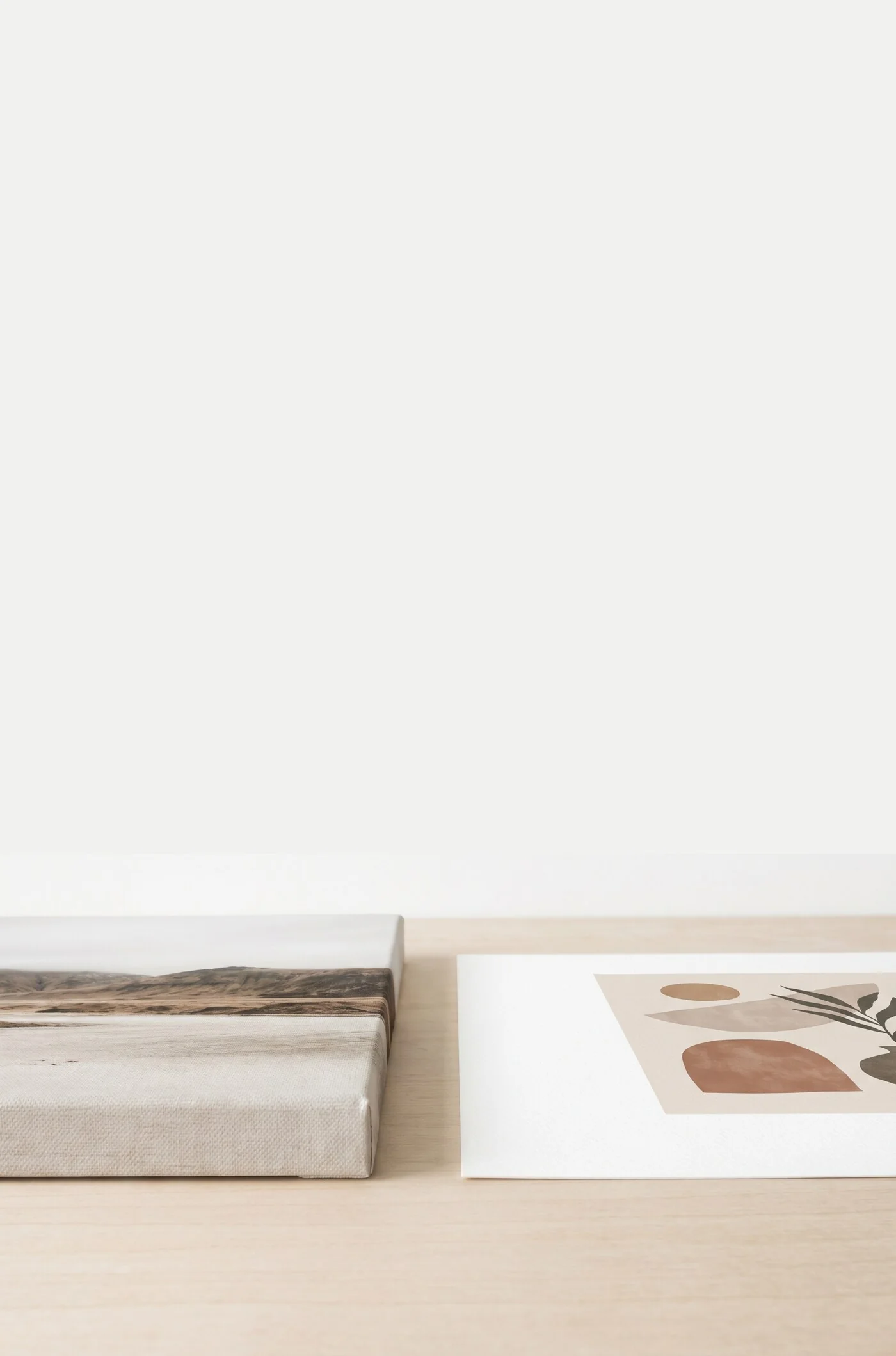
museum quality canvas prints are often used for larger artworks because they are durable, framable, and visually impactful in interior spaces.
Ink quality also matters. Pigment-based inks are preferred because they resist UV damage and maintain color accuracy over time.
Finally, framing and presentation can elevate the final product even further. Proper framing not only protects the print but also influences how it is perceived by buyers.
Giclée printing in a print on demand workflow
For many artists, giclée print on demand is the most practical way to sell museum quality prints without handling production themselves. You can explore a full overview of this model through print on demand solutions.
Instead of printing and shipping each order manually, you upload your artwork to a print partner. When a customer places an order, the print is produced automatically, packaged, and shipped directly to them.
This allows you to focus on creating new work while maintaining a professional standard of output.
It also makes it easier to offer multiple formats, such as canvas, fine art paper, or framed prints, without holding inventory.
How to maintain consistency across your prints
Consistency is one of the most important aspects of museum quality giclee printing. Even small variations in color or contrast can change how your artwork is perceived.
To maintain consistency, you should always work with calibrated files and ensure your digital images are prepared correctly before printing. Resources like a file size guide for artwork can help you prepare your files properly.
Color profiles and resolution settings matter more than many artists initially expect.
It is also worth testing prints before launching a collection. A proof print helps you see how your work translates from screen to physical product and allows you to make adjustments if needed.
When museum quality printing makes the biggest impact
Not every artwork needs the same level of production quality, but museum quality prints are especially important when:
- You are selling limited editions
- Your work relies heavily on color accuracy
- You are targeting collectors or higher price points
- You want to position your work in a fine art context
In these cases, print quality is not just a technical detail. It becomes part of your brand.
Final thoughts
museum quality giclee printing is ultimately about control and consistency. It gives you a way to reproduce your work in a format that respects the original while making it accessible to buyers around the world.
If you are preparing your artwork for production, resources like preparing your art files for Printumo can help you ensure everything is set up correctly before printing.
If you treat your prints as more than simple reproductions, and instead as part of your artistic offering, this printing method becomes a natural fit for building a long-term art business.

.webp)